Why India vs Pak Is Cricket's Greatest Rivalry
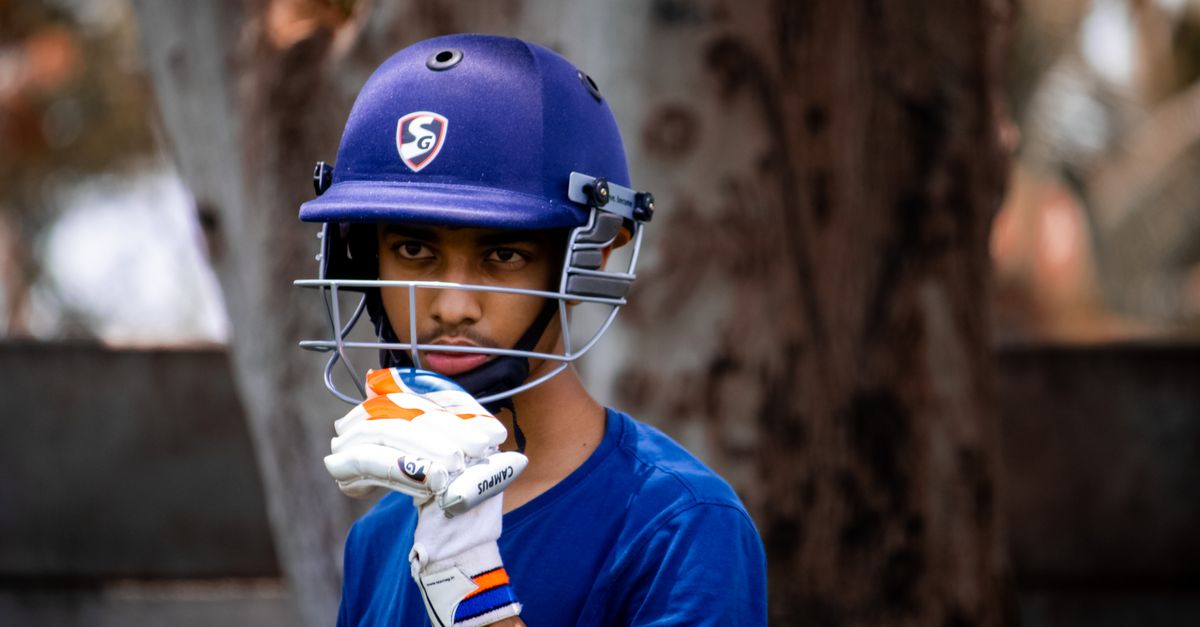
Ask any cricket fan from Mumbai to Lahore, and they will tell you the same thing: nothing in modern sports compares to an India-Pakistan match. It is not merely a sporting contest; it is a shared cultural tremor felt by over a billion people. When wondering why Pak vs India is the greatest rivalry on the planet, the answer lies far beyond bowling averages or strike rates. It is rooted in a turbulent shared history, unprecedented geopolitical tension, astronomical television ratings, and the sheer emotional weight carried onto the pitch by twenty-two men.
While traditionalists might champion England and Australia's battle for The Ashes, that historic contest lacks the visceral, raw energy of South Asia's showpiece event. Australia and England play for a tiny wooden urn and friendly bragging rights. When India meets Pakistan, entire countries grind to an absolute halt, streets empty out, and careers are either crowned or broken in the span of forty overs.
A Shared Past and Geopolitical Fractures
To truly comprehend why Pak vs India is the greatest rivalry, you have to look back to the Partition of 1947. In a matter of months, an arbitrary border severed families, cultures, and communities. That seismic rupture birthed two sovereign nations alongside decades of political hostility, border skirmishes, and diplomatic standoffs.
Cricket quickly evolved into the primary theater where national pride was expressed without actual gunfire. When the teams square off, players do not just represent their athletic boards—they carry the burden of their nation's collective trauma and unresolved historical grievances. A misfield is not just a tactical blunder; it can feel like a national betrayal to fans watching at home. This profound socio-political weight gives every delivery an intensity that simply cannot be manufactured in any other sporting arena.
Unmatched Scale: A Billion People Holding Their Breath
The sheer scale of this matchup is mind-boggling compared to Western sports. The Super Bowl typically attracts around 120 million viewers worldwide. When India and Pakistan clash in an ICC World Cup fixture, television and streaming audiences comfortably blow past 400 to 500 million, occasionally brushing up against a billion across the entire subcontinent and the global diaspora.
Advertisers pay astronomical sums for single-second ad slots during these broadcasts. In cities like Karachi, Delhi, London, and Toronto, restaurants overflow with partisan crowds waving flags and chanting team anthems. This staggering global audience is another prime reason why Pak vs India is the greatest rivalry in modern sports. There is simply no other regular event where such an immense portion of humanity watches the exact same game at the exact same second.
The Factor of Scarcity: Familiarity Never Breeds Contempt
In sports like football, Real Madrid and Barcelona might play each other four or five times in a single year across La Liga, the Copa del Rey, and the Champions League. That regular cadence inevitably waters down the drama over time. By contrast, India and Pakistan have not played a bilateral Test series since 2007 due to ongoing diplomatic gridlock.
Today, the two nations only ever cross paths during multi-nation tournaments like the ICC World Cup or the Asia Cup, usually staged on neutral soil in Dubai, England, or Australia. This artificial scarcity transforms every encounter into a once-in-a-blue-moon spectacle. When tickets go on sale for an Indo-Pak World Cup clash, they evaporate within minutes. The fact that fans might wait two or three years between clashes explains why Pak vs India is the greatest rivalry: absence has made the sporting heart beat with frantic, unresolved passion.
Iconic Clashes Forged in Unbearable Pressure
The lore of this feud is written in moments of impossible drama. Think back to Javed Miandad dispatching Chetan Sharma into the Sharjah stands off the final ball in 1986—a six that haunted Indian cricket for a decade. Or recall Sachin Tendulkar cutting Shoaib Akhtar over third man at Centurion in 2003, a shot that defined an entire generation of Indian batting dominance.
More recently, Virat Kohli's masterclass at the Melbourne Cricket Ground during the 2022 T20 World Cup reminded the world why Pak vs India is the greatest rivalry. Backed into an impossible corner before ninety thousand screaming spectators, Kohli manufactured two straight sixes off Haris Rauf that felt physically impossible under that volume of pressure. Legends are forged in these matches because the psychological strain exposes every crack in a player's composure. If you can perform here, you can perform anywhere on Earth.
The Clash of Cricket Philosophies: Artistry Meets Fire
Beyond politics and crowds, the cricket itself has always presented a breathtaking stylistic contrast. Traditionally, Pakistan has produced volatile, raw genius: fiery reverse-swing bowlers like Wasim Akram and Waqar Younis, mystery spinners, and mercurial match-winners who could collapse for eighty or chase down three hundred on a whim.
India, historically, countered with technically pristine, composed batting icons: Sunil Gavaskar, Sachin Tendulkar, Rahul Dravid, and Rohit Sharma. This contrast between Pakistani unpredictability and Indian batting precision produces sublime theater. It is an irresistible narrative of raw instinct versus structured perfection, adding yet another layer to why Pak vs India is the greatest rivalry the gentleman's game has ever seen.
Mutual Respect Beneath the Fierce Surface
Despite the fierce rhetoric found across social media and prime-time news, the players themselves share an enduring, quiet camaraderie. Both squads share a language, a taste in food, identical music, and the heavy burden of dealing with overzealous fan expectations.
Seeing Babar Azam and Virat Kohli chat warmly on the boundary rope or watching Shaheen Afridi exchange gifts with Indian cricketers cuts through the noise. It proves that sport can bridge divides that politicians fail to cross. This delicate duality—brutal competition on the scoreboard mixed with cultural kinship off it—cements Indo-Pak cricket as an entirely unique spectacle in human history.
Frequently asked questions
Why don't India and Pakistan play regular bilateral cricket matches?
Bilateral cricket tours have been suspended due to persistent political and diplomatic tensions between the two governments. The Board of Control for Cricket in India (BCCI) requires clearance from the Indian central government to tour Pakistan or host them, which has not been granted for a standalone series since the late 2000s.
How does India vs Pakistan compare to The Ashes?
The Ashes between England and Australia represents cricket's oldest rivalry and carries immense tradition. However, India vs Pakistan features far higher television viewership, vastly deeper socio-political stakes, and significantly greater emotional volatility among fans.
Who leads the overall head-to-head record between India and Pakistan?
Pakistan holds the lead in overall Test match victories and One Day Internationals, largely thanks to their dominance during the 1980s and 1990s. Conversely, India dominates encounters in ICC World Cups (both 50-over and T20 formats) and has won the majority of their matches since 2010.
What is considered the most famous India vs Pakistan match?
Notable matches include the 1986 Austral-Asia Cup final in Sharjah (Miandad's last-ball six), the 2003 World Cup clash in Centurion, the thrilling 2007 ICC World Twenty20 Final in Johannesburg, and Virat Kohli's legendary MCG chase in 2022.